
3mm clear float glass
In the world of precision engineering, manufacturing, and quality control, accuracy is the cornerstone of reliability. Among the tools that ensure this accuracy, ring gauge , ring gauge measurement , and plain ring gauges stand out as indispensable instruments. These specialized devices play a critical role in verifying the dimensions of cylindrical parts, ensuring they meet strict industrial standards and perform as intended. From automotive components to aerospace parts, their use spans across industries where even the smallest deviation can lead to costly failures. In this guide, we’ll explore their functionality, importance, and best practices, highlighting their role in maintaining precision across manufacturing processes. The Fundamental Role of Ring Gauge in Precision Engineering Ring gauge is a precision tool designed to measure the outer diameter of cylindrical objects, serving as a benchmark for accuracy in manufacturing and engineering. Crafted from high-strength materials like tool steel or carbide, ring gauge is engineered to maintain tight tolerances, ensuring consistent and reliable measurements over time. At its core, a ring gauge acts as a “go/no-go” device, verifying whether a part’s outer diameter falls within acceptable limits. A “go” gauge is designed to fit over a properly sized part, while a “no-go” gauge should not fit if the part exceeds the maximum allowable dimension. This simple yet effective method allows manufacturers to quickly assess part quality during production, reducing the risk of defective products reaching the market. Unlike digital measuring tools, ring gauge provides tactile feedback, making it easy to use even in noisy or busy factory environments. Its durability and resistance to wear also make it a long-lasting investment, critical for industries where precision is non-negotiable. Whether used in small workshops or large-scale production lines, ring gauge is a foundational tool for ensuring dimensional accuracy. How Ring Gauge Measurement Ensures Accuracy in Manufacturing Ring gauge measurement is a cornerstone of quality control, providing a standardized method to verify that cylindrical parts meet design specifications. This process is essential in industries like automotive, aerospace, and medical device manufacturing, where even minor dimensional deviations can compromise performance or safety. The key advantage of ring gauge measurement is its efficiency and reliability. Unlike manual calipers, which require operator skill to achieve consistent results, ring gauge measurement eliminates subjectivity: a part either fits the “go” gauge or not, providing clear pass/fail feedback. This speed makes it ideal for high-volume production, where quick inspections are necessary to maintain workflow efficiency. Additionally, ring gauge measurement ensures consistency across shifts and operators, as the gauge itself serves as a universal reference. By integrating this measurement method into quality control protocols, manufacturers can reduce waste, minimize rework, and build trust in their product quality. For critical applications—such as engine components or surgical tools—ring gauge measurement is not just a best practice; it’s a necessity. Key Features of Plain Ring Gauges for Industrial Applications Plain ring gauges are a specific type of ring gauge designed for measuring smooth, non-threaded cylindrical parts, making them versatile across countless industrial applications. Their design focuses on simplicity and precision, with features tailored to ensure accurate and repeatable measurements. Feature of Plain Ring Gauges Description Industrial Benefit Precision Ground Bore The inner diameter is ground to tight tolerances. Ensures accurate measurement of part outer diameters. Hardened Material Made from tool steel or carbide, heat-treated for wear resistance. Extends lifespan, even with frequent use in busy production environments. Smooth Surface Finish Polished inner bore to prevent damage to measured parts. Avoids scratching or marring delicate components during inspection. Clear Markings Engraved with size, tolerance class, and calibration date. Ensures traceability and compliance with quality standards. Plain ring gauges are available in a range of sizes, from small diameters for micro-components to large gauges for industrial pipes or shafts. Their simplicity makes them easy to use and maintain, requiring minimal training for operators. Unlike threaded ring gauges, which are designed for specific thread profiles, plain ring gauges offer flexibility, adapting to any smooth cylindrical part—making them a staple in general manufacturing settings. Best Practices for Maintaining Ring Gauge Calibration and Longevity To ensure ring gauge remains accurate and reliable, proper maintenance and calibration are essential. These precision tools are subject to wear over time, and environmental factors like temperature or humidity can affect their dimensions—making regular care critical for preserving their performance. Follow these best practices to maintain your ring gauge : Handle with Care : Always hold gauges by their outer surfaces, avoiding contact with the inner bore, which can be scratched by oils, dirt, or rough handling. Clean Regularly : After use, wipe the gauge with a lint-free cloth and mild solvent to remove debris or coolant, preventing buildup that could distort measurements. Store Properly : Keep gauges in a protective case or cabinet, away from extreme temperatures, moisture, or direct sunlight. Avoid stacking gauges to prevent warping. Calibrate Periodically : Have gauges calibrated by a certified lab at regular intervals (typically annually) to verify they still meet tolerance standards. Document calibration dates for traceability. Avoid Misuse : Never use a ring gauge as a hammer, pry tool, or storage container, as physical damage can permanently alter its dimensions. By following these steps, you can extend the lifespan of your ring gauge and ensure it continues to provide accurate measurements for years to come. FAQS a bout Ring Gauge, Ring Gauge Measurement, and Plain Ring Gauges What is a ring gauge and how is it used in manufacturing? A ring gauge is a precision tool with a precisely ground inner bore, used to measure the outer diameter of cylindrical parts. In manufacturing, it functions as a “go/no-go” device: a part passes inspection if it fits the “go” gauge (within acceptable dimensions) and does not fit the “no-go” gauge (exceeding maximum limits). This quick, objective method ensures parts meet design specifications. How does ring gauge measurement differ from using digital calipers? Ring gauge measurement provides a pass/fail assessment based on fit, eliminating operator subjectivity. Digital calipers, while precise, require manual alignment and reading, which can introduce variability between users. Ring gauge measurement is faster, more consistent, and ideal for high-volume production, while calipers are better for detailed dimensional data on individual parts. What makes plain ring gauges suitable for checking cylindrical parts? Plain ring gauges are designed with a smooth, precision-ground inner bore that matches the desired outer diameter of cylindrical parts. Their hardened, wear-resistant material ensures durability, while their simple design allows for quick, repeatable inspections. They are versatile enough to check any non-threaded cylindrical part, from small bolts to large pipes, making them a universal tool in manufacturing. How often should ring gauge calibration be performed to maintain accuracy? Ring gauge calibration should be performed annually under normal usage conditions. However, gauges used in harsh environments (e.g., high humidity, frequent contact with coolants) or for critical applications may require more frequent calibration (every 6 months). Regular calibration ensures the gauge’s dimensions remain within tolerance, preserving measurement accuracy. Can plain ring gauges be customized for specific industrial needs? Yes, plain ring gauges can be customized to meet specific industrial requirements. Manufacturers offer custom sizes, tolerance classes, and materials (e.g., carbide for extreme wear resistance) to match unique part dimensions or environmental conditions. Custom engravings for part numbers or standards compliance are also available, making them adaptable to specialized manufacturing processes. At [Storaen (Cangzhou) International Trading Co.], we specialize in providing high-quality ring gauge , plain ring gauges , and expert support for ring gauge measurement processes. Our gauges are crafted from premium materials, precision-ground to tight tolerances, and calibrated to meet industry standards—ensuring reliability for even the most critical applications.
about
3mm clear float glass
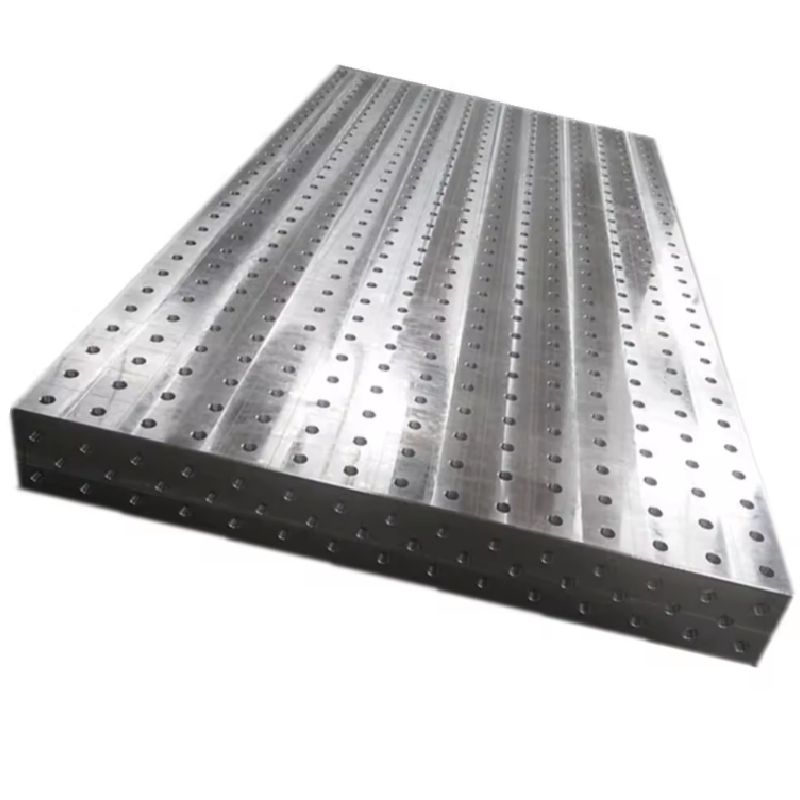
The Importance of Custom Built Welding Tables In the world of welding, precision and efficiency are paramount. The nature of welding involves fusing materials together, which requires not only skill but also the right tools to ensure a successful outcome. One of the most critical tools in the welding process is the welding table. Standard tables may not always meet the specific needs of a welding project, which is why custom built welding tables have become increasingly popular among professionals and hobbyists alike. Understanding Custom Built Welding Tables Custom built welding tables are designed and fabricated to meet the exact requirements of a welder's specific projects. These tables can vary in size, shape, material, and features based on the individual needs of the user. For instance, a fabricator working on larger projects might require a table that can accommodate bigger pieces of metal, while a precision welder might need a table with specific clamping mechanisms to ensure the parts remain secure during the welding process. Benefits of Customization 1. Tailored Features One of the most significant advantages of custom welding tables is the ability to add tailored features. This includes adjustable heights, built-in clamps, tool holders, and even integrated power sources for operating welding equipment. When the welder can access all required tools and equipment within close proximity, workspace efficiency is greatly enhanced. 2. Material Choices Welders often have specific material preferences based on the types of welding they perform. Custom tables can be constructed from various materials such as steel, aluminum, or other composites that suit specific welding techniques, whether it be MIG (Metal Inert Gas), TIG (Tungsten Inert Gas), or stick welding. This flexibility ensures that the table will withstand the heat and chemical exposure typical of welding environments. 3. Optimized Layout The configuration of a workspace is crucial for productivity. A custom table allows for an optimized layout that maximizes the available space in the workshop. By designing a welding table that fits perfectly within the physical workspace and accommodates specialized equipment, welders can create a more organized and productive environment. 4. Increased Safety Welding can be hazardous, and having a dedicated, custom table can help improve safety in the workplace. Custom tables can include features such as ground clamps and secure storage for welding supplies, reducing the clutter and potential hazards associated with having equipment strewn across a workshop. custom built welding tables 5. Enhanced Durability Custom tables are often built with stronger materials and finishes compared to standard tables . This enhanced durability means that these tables can withstand the rigors of heavy use over time, which is especially important in industrial settings where they are used daily. Considerations for Building Custom Tables When embarking on the journey of creating a custom-built welding table, several factors need to be considered - Size and Space Assessing the available space in your workshop is crucial. A table that is too large can impede movement, while one that is too small may not provide adequate workspace for larger projects. - Features and Attachments Determine what additional features will enhance your workflow. Consider whether integrated tool storage, mobility, adjustable height, or specialized clamps are necessary. - Budget Customization often comes with increased costs. Setting a budget that accounts for the materials, features, and potential labor involved in building a custom table is essential. - Future Needs Think about not just current projects, but also future ones. A table that can adapt to changing projects will prove beneficial in the long run. Conclusion Custom built welding tables represent an investment in efficiency, safety, and quality for any welding professional. By providing the flexibility to tailor features, materials, and designs, these tables enhance the overall welding experience. Whether for a professional shop or a home garage, a custom welding table can significantly improve how welders approach their craft, making it a worthwhile consideration for anyone serious about their work in welding. As projects and techniques evolve, the need for tailored solutions becomes even more critical, ensuring that the welding process is not only effective but also enjoyable.
-

High quality industrial productsagement

High quality industrial products
View Details -

Meet the diverse needs of customers

Meet the diverse needs of customers
View Details -

Strict quality control

Strict quality control
View Details -

Top raw materials

Top raw materials
View Details -

Trusted supplier

Trusted supplier
View Details
Our application

news and information
water pressure check valve
Understanding Water Pressure Check Valves Importance, Functionality, and Maintenance Water pressure
water main shut off valves
Water main shut off valves play a critical role in maintaining the health and efficiency of any resi
Versatile Welding Table for On-the-Go Fabrication and Efficient Workspace Solutions
The Versatility and Importance of Portable Welding Tables In the world of welding, precision and con
 English